Why McDonald’s Stock Investors are Watching Chick-fil-A
 Sarah Mitchell
May 07, 2026
3 min read
72 views
Sarah Mitchell
May 07, 2026
3 min read
72 views

McDonald’s investors are shifting their focus
Why McDonald’s stock investors are watching Chick fil A
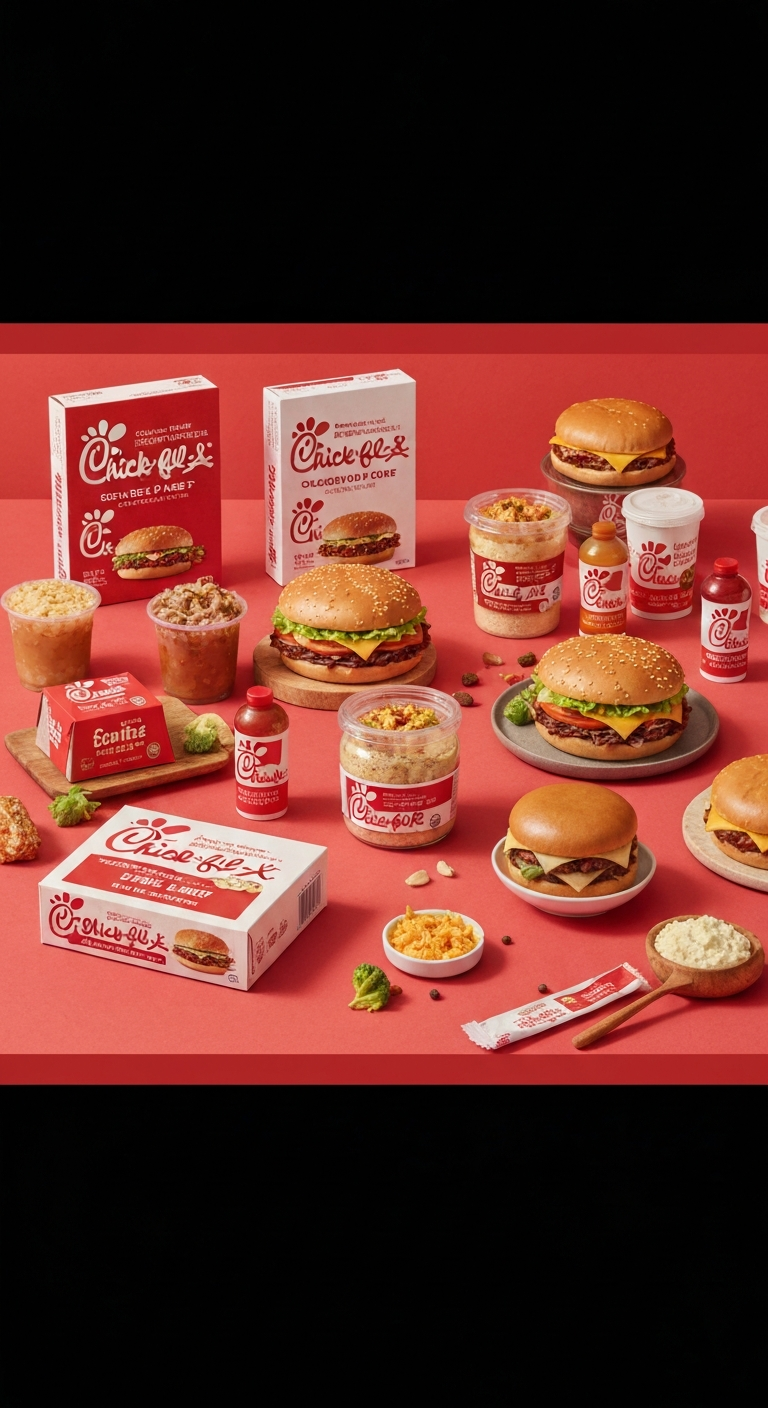
Wall Street analysts and McDonald’s shareholders are increasingly looking beyond traditional burger rivals like Wendy’s or Burger King. Today, the primary competitive threat to the Golden Arches' domestic growth is Chick-fil-A. Despite being a privately held company, Chick-fil-A’s meteoric rise has direct implications for McDonald’s stock valuation and long-term market share projections.
Unprecedented Revenue per Restaurant
The most alarming metric for McDonald’s investors is the Average Unit Volume (AUV). Chick-fil-A consistently generates more revenue per location than any other fast-food chain in the United States. Remarkably, they achieve these numbers while remaining closed on Sundays, a day that typically accounts for roughly 14% of a standard QSR's weekly revenue.
- Efficiency Gap: Chick-fil-A locations often generate over $8 million annually per store, significantly outperforming McDonald’s domestic average.
- Throughput Mastery: Investors watch Chick-fil-A’s multi-lane drive-thru strategies as a benchmark for operational excellence that McDonald’s is now trying to replicate with its "Accelerating the Arches" program.
- Asset Utilization: Because Chick-fil-A earns more in six days than most brands do in seven, it signals a level of brand loyalty that threatens McDonald's breakfast and lunch dominance.
The "Chicken Sandwich Wars" and Menu Defense
For decades, McDonald’s was defined by the Big Mac. However, as consumer preferences shift toward poultry for perceived health benefits and lower production costs, the battleground has moved. Why McDonald’s stock investors are watching Chick fil A is largely due to the "veto vote"—if one person in a family wants a premium chicken sandwich, the entire group often chooses Chick-fil-A over McDonald's.
McDonald’s has responded by rebranding its chicken lineup and launching the McCrispy, but investors remain wary. Chick-fil-A’s specialized focus on a limited, high-quality menu allows for tighter inventory management and higher perceived value, forcing McDonald's to spend heavily on marketing just to maintain its current poultry market share.
Market Saturation and Suburban Expansion
Historically, McDonald’s owned the suburban landscape. Now, Chick-fil-A is aggressively expanding into these territories, often placing new units directly across from established McDonald’s locations. Investors track these "trade area" overlaps closely. When a Chick-fil-A opens nearby, McDonald’s locations often see a temporary dip in guest counts, particularly during the lucrative lunch rush.
Customer Satisfaction and Brand Equity
Chick-fil-A consistently tops the American Customer Satisfaction Index (ACSI), a lead it has held for nearly a decade. For McDonald’s investors, this is a leading indicator of future performance. High satisfaction scores correlate with lower customer acquisition costs and higher visit frequency. McDonald’s is currently investing billions in digital transformation and loyalty programs (MyMcDonald’s Rewards) specifically to close the "hospitality gap" that Chick-fil-A has widened.
Impact on McDonald’s Strategic Pivots
The pressure from Chick-fil-A is visible in McDonald's recent corporate decisions. Investors note that the following initiatives are direct responses to the chicken giant's success:
- Digital-First Locations: Testing small-format, beverage-led concepts like CosMc’s to capture the afternoon snack crowd that frequents Chick-fil-A.
- Enhanced Training: Implementing new service standards to match the "my pleasure" culture that drives Chick-fil-A's retention.
- Supply Chain Focus: Securing poultry supplies to ensure price stability as they compete on value meals.
Ultimately, why McDonald’s stock investors are watching Chick fil A comes down to the fight for the American consumer's "share of stomach." As Chick-fil-A prepares for international expansion, the rivalry is set to move from a domestic skirmish to a global battle for fast-food supremacy.