Why 7 Eleven is Closing Stores & Chick-fil-A Growth
 Sarah Mitchell
Apr 14, 2026
2 min read
129 views
Sarah Mitchell
Apr 14, 2026
2 min read
129 views
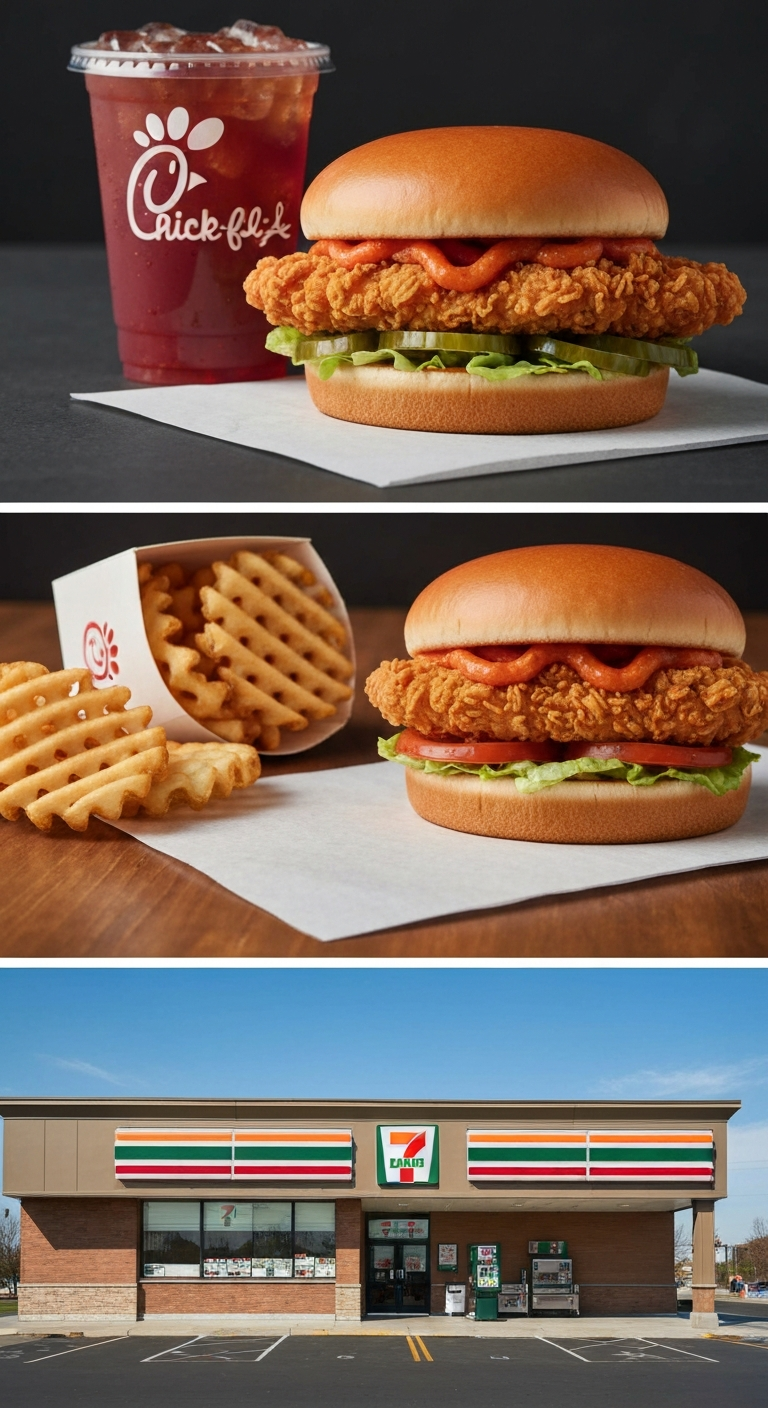
7-Eleven is closing stores due to over-saturation, changing consumer preferences, and increased competition from other retailers. Meanwhile, Chick-fil-A thrives thanks to its strong brand identity, exceptional customer service, high-quality food, and strategic franchise model, demonstrating the importance of adapting to evolving consumer needs.
Why 7 Eleven is Closing Stores & Chick-fil-A Growth
Why 7-Eleven is Closing Stores While Chick-fil-A Thrives
The retail landscape is constantly shifting, and recent news highlights a stark contrast: 7-Eleven is closing stores while Chick-fil-A experiences continued growth. Understanding the factors driving these divergent paths provides valuable insights into consumer behavior and successful business strategies.
7-Eleven's Store Closures: A Deep Dive
7-Eleven, a convenience store giant, has initiated strategic store closures in certain regions. Several factors contribute to this decision:
- Over-Saturation: In some markets, 7-Eleven faces over-saturation, with too many stores competing for the same customer base.
- Changing Consumer Preferences: Modern consumers often seek healthier food options and curated experiences, areas where 7-Eleven historically hasn't focused as heavily.
- Increased Competition: Grocery stores, drugstores, and even gas stations are expanding their convenience offerings, eroding 7-Eleven's market share.
- Franchise Issues: Disputes with franchisees regarding operational standards and profit margins can also contribute to closures.
- Strategic Re-Evaluation: 7-Eleven may be closing underperforming locations as part of a broader strategy to optimize its portfolio and invest in higher-potential areas.
Chick-fil-A's Continued Growth: A Recipe for Success
In contrast to 7-Eleven, Chick-fil-A continues to expand and enjoy remarkable success. Their growth can be attributed to several key elements:
- Strong Brand Identity: Chick-fil-A has cultivated a strong brand identity centered around customer service, quality food, and values.
- Exceptional Customer Service: Known for its polite and efficient service, Chick-fil-A consistently ranks high in customer satisfaction surveys.
- High-Quality Food: The chain focuses on fresh ingredients and a relatively simple menu, ensuring consistent quality across all locations.
- Strategic Location Selection: Chick-fil-A carefully selects locations with high traffic and strong demographics.
- Franchise Model: Chick-fil-A's selective franchise model, which prioritizes owner-operators committed to the brand's values, fosters a consistent customer experience.
- Adapting to Trends: While staying true to its core offerings, Chick-fil-A has adapted to changing consumer preferences by introducing healthier options and mobile ordering.
Contrasting Strategies: Key Takeaways
The differing fortunes of 7-Eleven and Chick-fil-A highlight the importance of adapting to evolving consumer needs and maintaining a strong brand identity. While 7-Eleven faces challenges in a competitive landscape, Chick-fil-A's focus on customer service, quality, and strategic growth continues to drive its success. The retail industry demands constant innovation and a deep understanding of customer preferences to thrive.