Raising Cane’s New Locations vs Chick-fil-A Expansion USA
 Sarah Mitchell
May 02, 2026
3 min read
45 views
Sarah Mitchell
May 02, 2026
3 min read
45 views
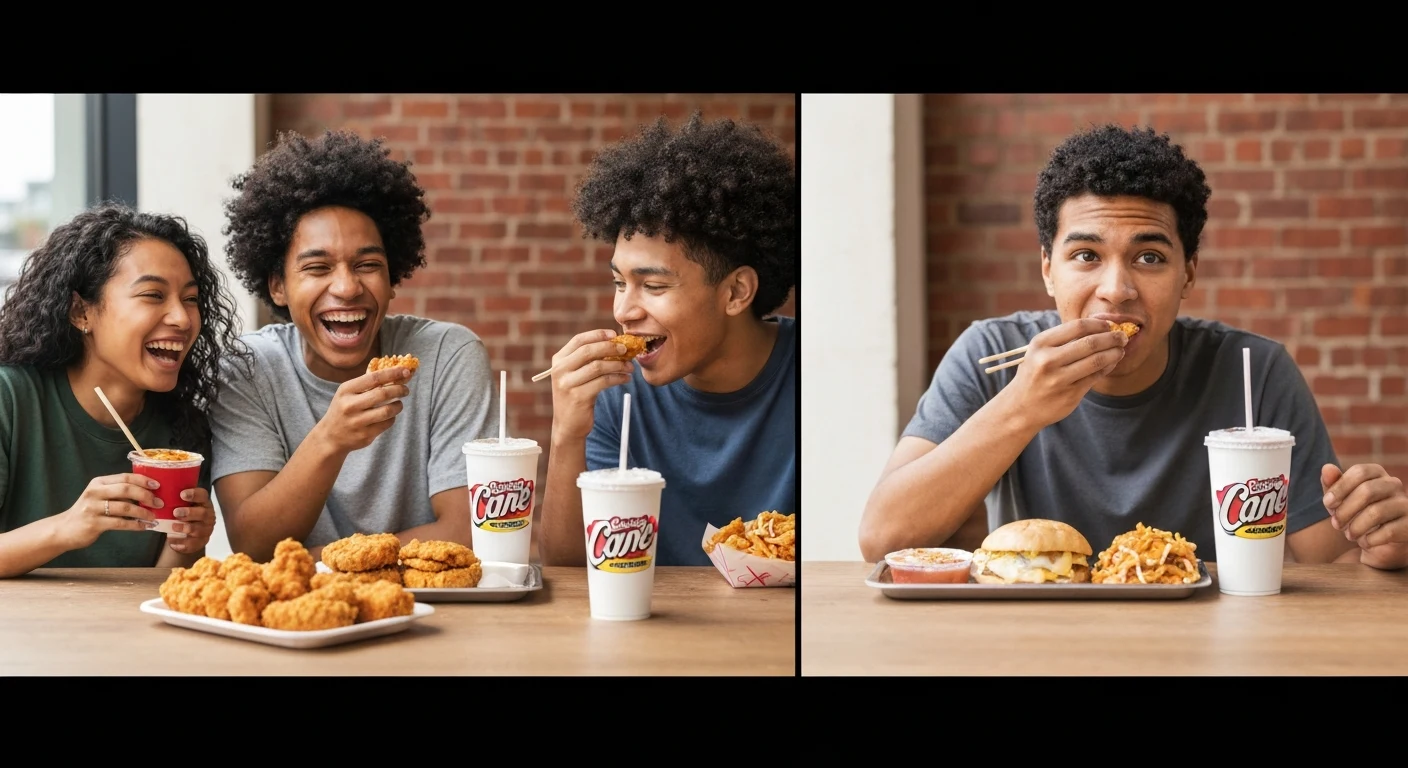
The battle for chicken supremacy
Raising Cane’s New Locations vs Chick-fil-A Expansion USA: The Battle for Chicken Supremacy
The fast-casual chicken industry is witnessing an unprecedented surge in development as two giants, Raising Cane’s and Chick-fil-A, vie for regional dominance across the United States. While Chick-fil-A has long held the crown for average unit volume, Raising Cane’s is aggressively closing the gap with a massive influx of new storefronts in high-traffic urban centers and suburban hubs. This rivalry is reshaping the American landscape, one drive-thru lane at a time.
Raising Cane’s Strategic Real Estate Push
Todd Graves’ chicken finger empire is no longer just a Southern staple. Raising Cane’s new locations are popping up in non-traditional markets that were previously dominated by legacy fast-food chains. Their expansion strategy focuses on high visibility and high-speed service to capture a younger, mobile demographic.
- Flagship Destinations: Opening massive, multi-story locations in tourist zones like Times Square, New York, and the Las Vegas Strip to maximize brand exposure.
- High-Speed Drive-Thrus: Prioritizing real estate that allows for dual-lane and triple-lane configurations to handle intense peak-hour demand.
- Campus Dominance: Securing prime spots near major university campuses, cementing the brand as a top choice for Gen Z consumers.
Chick-fil-A’s Evolution of the Expansion Model
In contrast to the rapid-fire opening schedule of some competitors, the Chick-fil-A expansion USA strategy is rooted in operational efficiency and technological integration. Rather than just adding more seats, Chick-fil-A is rethinking the physical structure of the modern restaurant to accommodate the shift toward digital ordering.
- Mobile-Only Pickup Points: Launching "digital-only" locations in dense metro areas like New York City where traditional dining rooms are less cost-effective.
- Elevated Drive-Thrus: Testing innovative two-story drive-thru concepts in Georgia designed to move four lanes of traffic simultaneously under a kitchen-above-cars model.
- International Footprint: While domestic growth remains strong, the chain is beginning a multi-billion dollar push into the UK and Asian markets to diversify its revenue.
Key Differences in Growth Tactics
When comparing Raising Cane’s new locations vs Chick-fil-A expansion USA, the primary differentiator lies in menu complexity and operational hours. Raising Cane’s operates on a hyper-simplified "One Love" menu of chicken fingers, which allows for incredibly fast kitchen turnaround and lower overhead. This simplicity is what fuels their ability to scale quickly into new territories.
Chick-fil-A, however, maintains a broader menu including breakfast, salads, and specialty drinks. This necessitates a more complex supply chain and larger staffing requirements. Furthermore, Chick-fil-A’s policy of remaining closed on Sundays creates a unique real estate challenge; the brand must generate six days of revenue that significantly outpaces seven days of sales from competitors. Currently, Chick-fil-A continues to lead this metric, often doubling the per-unit performance of other major QSR brands.
Regional Hotspots for Chicken Competition
The Midwest and the Northeast have become the primary battlegrounds for these two brands. Cities like Chicago, Philadelphia, and Boston are seeing a "chicken war" as both chains move into territories once underserved by specialized poultry concepts. As Raising Cane's scales toward its goal of 1,000 locations, the pressure on Chick-fil-A to innovate its urban footprint and maintain its service speed has never been higher.
Ultimately, the consumer wins in this expansion race. Whether it is the specialized focus of Raising Cane's or the hospitality-driven model of Chick-fil-A, the rapid growth of both chains ensures that high-quality chicken options are becoming more accessible in every corner of the United States.