Reviews
 Sarah Mitchell
May 05, 2026
3 min read
46 views
Sarah Mitchell
May 05, 2026
3 min read
46 views
Are Chick-fil-A Fries Healthier Than Potato Chips?
Sarah Mitchell
May 05, 2026
3 min read
46 views

Quick Summary
While Chick-fil-A’s
Are Chick-fil-A Fries Healthier Than Potato Chips?
When evaluating side dishes or snacks, the choice often comes down to the preparation method and the quality of ingredients. Deciding whether Chick-fil-A fries are healthier than potato chips requires looking beyond just the calorie count and examining how these two potato-based products are processed and seasoned.Processing and Ingredient Quality
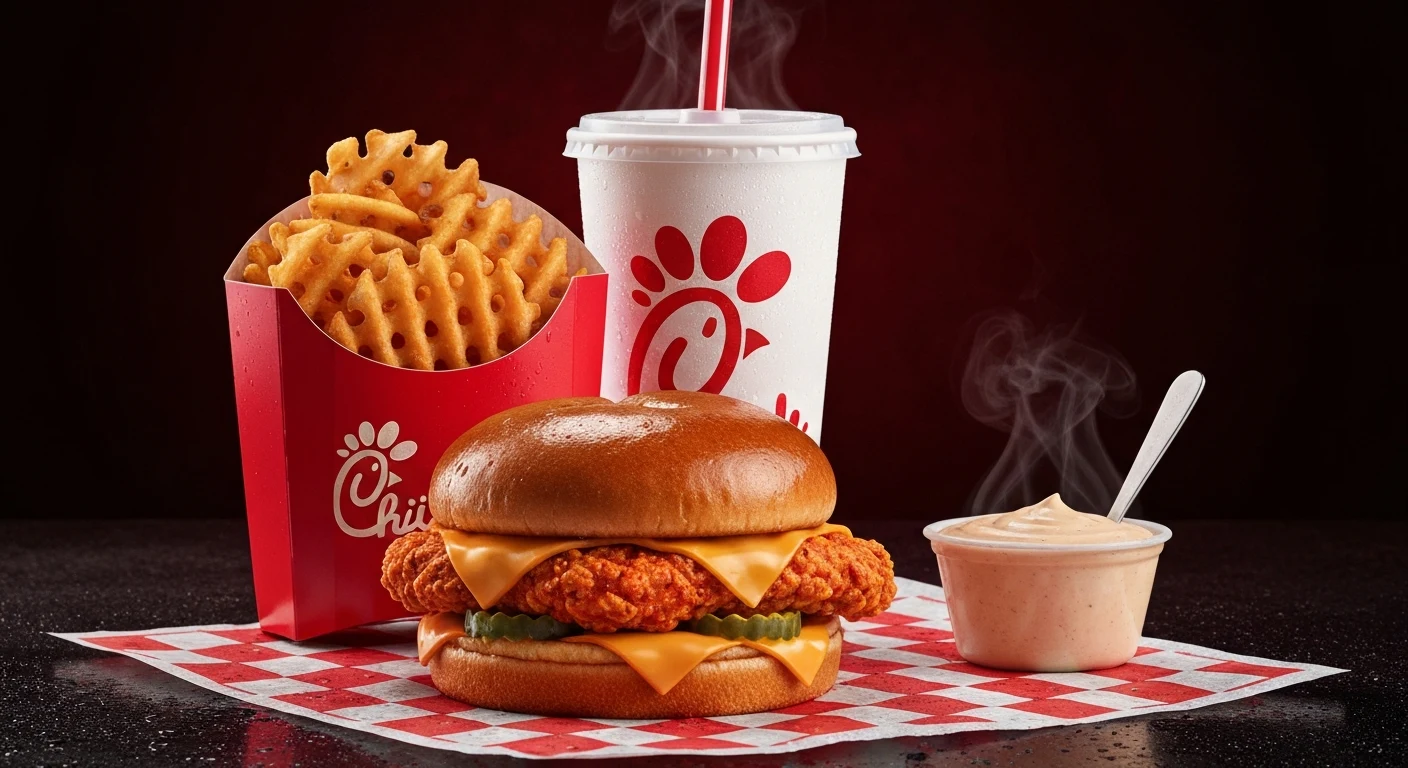
Chick-fil-A Waffle Potato Fries are made from real potatoes grown in the Pacific Northwest. They are skin-on, which retains some of the natural fiber and nutrients found in the potato. These fries are cooked in refined canola oil, which is low in saturated fat compared to many oils used in snack manufacturing. In contrast, many commercial potato chips are highly processed. While they also start as potatoes, they are often sliced thin to maximize surface area, leading to higher oil absorption. Many brands also include preservatives like BHA or BHT and artificial flavorings that you won't find in a standard order of Chick-fil-A fries.Comparing Fat Content and Oil Types
One of the primary reasons people wonder if Chick-fil-A fries are healthier than potato chips is the type of fat involved.- Chick-fil-A Fries: Cooked in canola oil, these fries contain zero trans fats. A medium serving typically contains about 21 grams of fat, but a significant portion of this is monounsaturated fat.
- Potato Chips: Many chips are fried in vegetable oil blends that can be high in omega-6 fatty acids. Because chips are so thin, the fat-to-potato ratio is often much higher than that of a thick-cut waffle fry.
The Sodium Factor
Sodium is a major concern for those monitoring heart health. Chick-fil-A uses sea salt to season their fries, which provides a more robust flavor with potentially less volume than highly processed table salt. A medium order of Chick-fil-A fries contains approximately 240mg of sodium. A standard 2-ounce bag of potato chips can easily exceed 300mg to 350mg, depending on the seasoning. If you are choosing a flavored chip, such as BBQ or Sour Cream and Onion, the sodium and chemical additive count increases significantly compared to the simple salt-and-potato profile of the waffle fries.Satiety and Portion Control
One often overlooked aspect of health is satiety—how full a food makes you feel. Chick-fil-A fries are dense and contain a small amount of fiber due to the skin being left on. This can lead to feeling full faster. Potato chips are considered "hyper-palatable" foods. Their thin, crispy texture and high salt content often lead to overconsumption. It is much easier to mindlessly eat 500 calories worth of chips than it is to eat an equivalent caloric amount of waffle fries, which require more chewing and provide more bulk in the stomach.Nutritional Comparison Summary
While neither option is considered a "health food," Chick-fil-A fries often edge out standard potato chips for the following reasons:- Less Processing: Fewer chemical preservatives and no artificial colors.
- Better Oils: Use of refined canola oil rather than cheaper, highly inflammatory vegetable oil blends.
- Higher Satiety: The thickness and fiber content help manage hunger better than thin chips.
- Lower Sodium: Generally lower salt content per comparable serving size.