News
 Sarah Mitchell
Apr 25, 2026
3 min read
89 views
Sarah Mitchell
Apr 25, 2026
3 min read
89 views
How Trade War Affects Chick-fil-A Menu Prices: Explained
Sarah Mitchell
Apr 25, 2026
3 min read
89 views
How Trade War Affects Chick-fil-A Menu Prices: Explained
Understanding How Trade War Affects Chick-fil-A Menu Prices
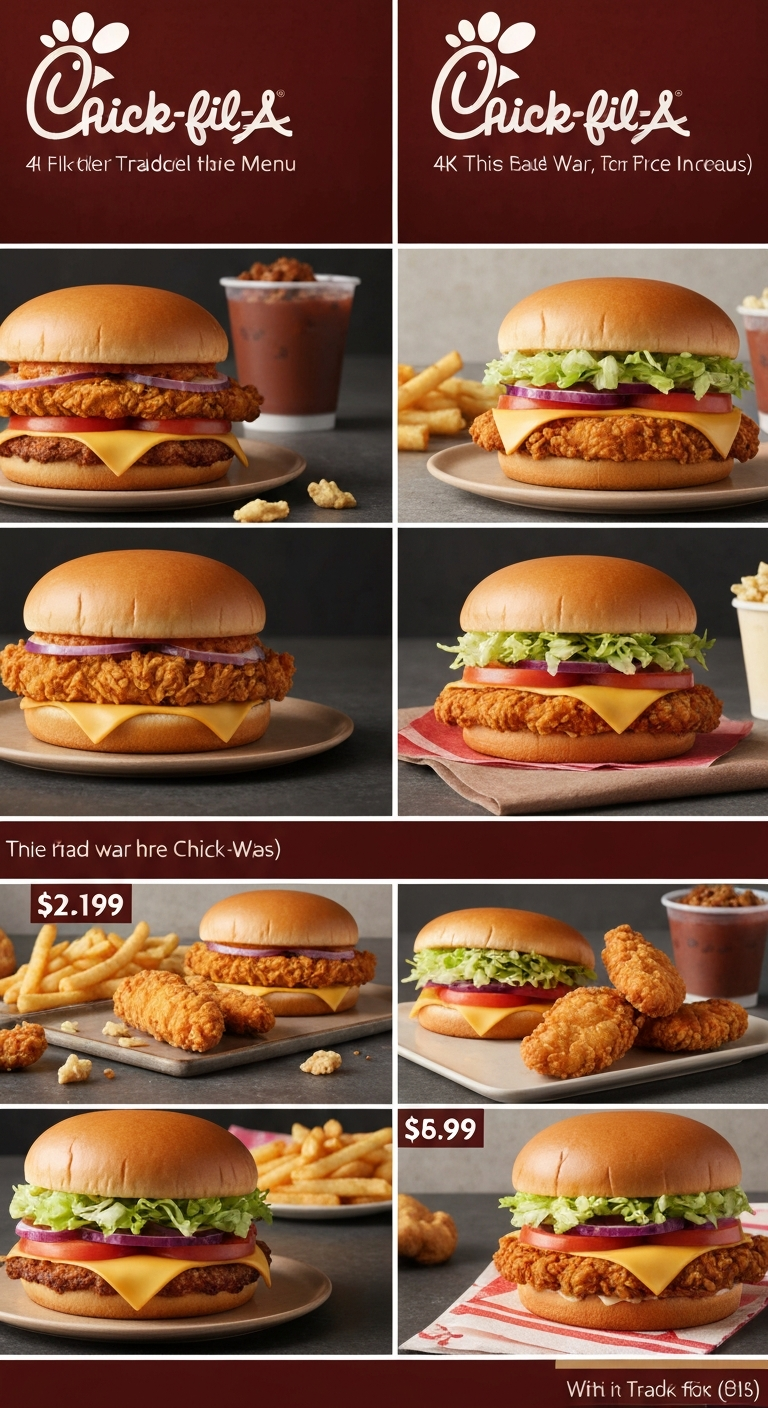
Global trade policies and international tariffs often have a trickle-down effect that reaches the drive-thru window. When analyzing how trade war affects Chick-fil-A menu prices, it is essential to look beyond the chicken breast itself and examine the complex web of global commodities and industrial materials required to run thousands of restaurants. While Chick-fil-A sources the majority of its chicken from domestic farms within the United States, the brand is not immune to the inflationary pressures caused by trade disputes. These conflicts often lead to retaliatory tariffs that fluctuate the cost of essential goods, forcing fast-food giants to adjust their pricing structures to maintain profit margins.The Role of Feed Costs and Agricultural Commodities
One of the primary ways a trade war impacts the cost of a Spicy Chicken Sandwich is through the price of poultry feed. Chickens are primarily raised on a diet of corn and soybeans. When trade wars erupt—specifically between the U.S. and major importers like China—the global demand for these crops shifts violently. If export markets for U.S. soybeans are restricted, domestic supply may increase, initially lowering prices. However, long-term trade instability often leads to volatile planting cycles and market uncertainty, which eventually drives up the cost of raising livestock. Higher feed costs for farmers are inevitably passed on to corporate buyers like Chick-fil-A, leading to incremental menu price hikes.Tariffs on Metal, Equipment, and Construction
The physical infrastructure of a Chick-fil-A location is heavily dependent on raw materials subject to trade tariffs. Steel and aluminum are critical components in the manufacturing of:- Commercial-grade pressure fryers and grills.
- Walk-in refrigerators and HVAC systems.
- Structural steel for new restaurant construction and renovations.
- Aluminum packaging and beverage canisters.