Chick fil A policy news bipartisan hot rotisserie chicken act
 Sarah Mitchell
Apr 23, 2026
3 min read
65 views
Sarah Mitchell
Apr 23, 2026
3 min read
65 views
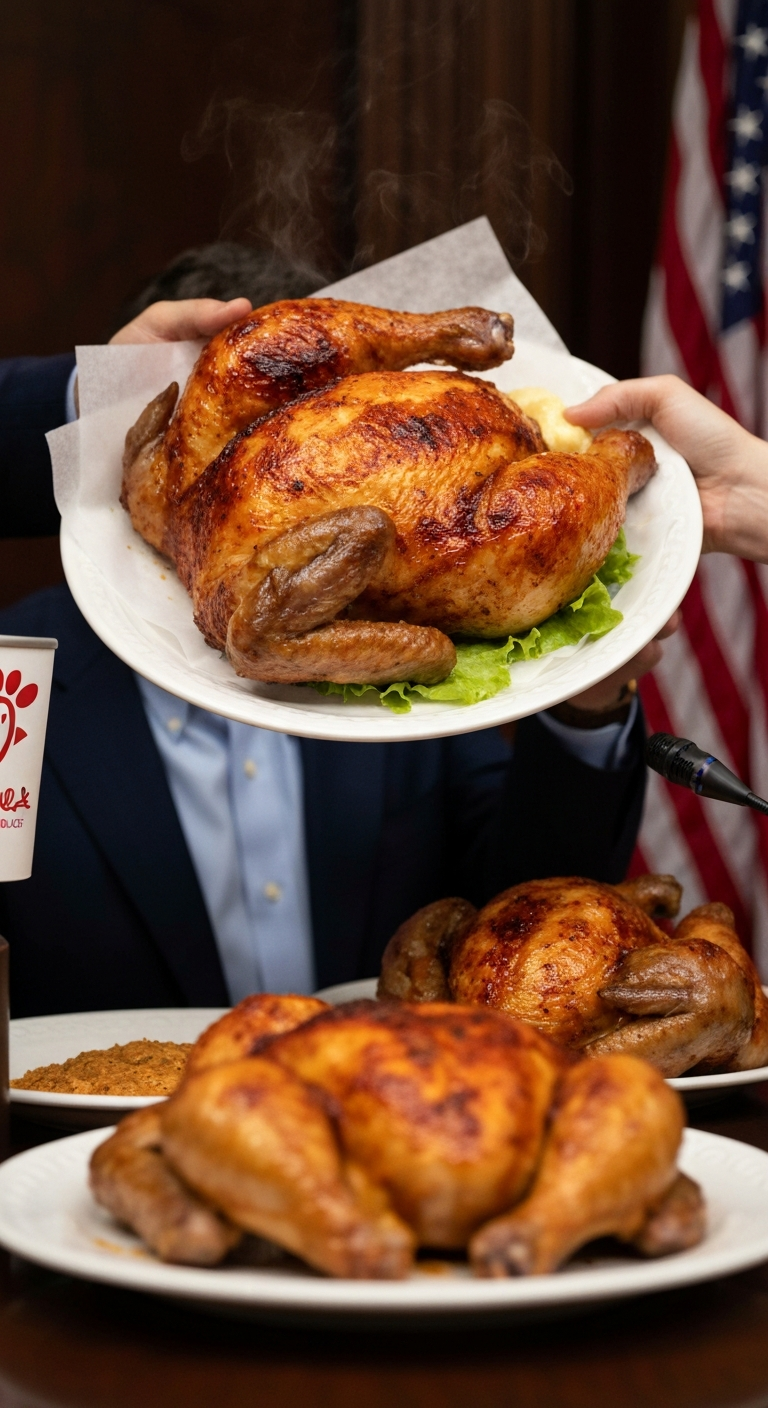
The proposed bipartisan "Hot Foods Act"
Chick fil A policy news bipartisan hot rotisserie chicken act
Chick-fil-A Policy News: The Bipartisan Hot Rotisserie Chicken Act and SNAP Expansion
Recent developments in federal food policy have sparked significant discussion regarding how major restaurant chains like Chick-fil-A may interact with government assistance programs. The bipartisan "Hot Foods Act"—often colloquially linked to the "hot rotisserie chicken act"—aims to modernize the Supplemental Nutrition Assistance Program (SNAP) by removing outdated restrictions on prepared hot meals.
Currently, federal law prohibits SNAP recipients from using their Electronic Benefits Transfer (EBT) cards to purchase hot, prepared foods at the point of sale. This means a customer can buy a cold sandwich or a frozen meal at a grocery store, but they cannot purchase a hot Chick-fil-A chicken sandwich or a warm rotisserie chicken from a deli counter. The proposed legislation seeks to bridge this gap, recognizing that many families lack the time or facilities to cook every meal from scratch.
Breaking Down the Hot Foods Act of 2023
The movement behind this policy shift is led by a bipartisan coalition in Congress. Proponents argue that the current "cold food only" rule is an arbitrary barrier that disproportionately affects low-income workers, the elderly, and those experiencing homelessness. Key aspects of the legislative push include:
- Regulatory Parity: Aligning the rules for hot prepared foods with those of cold grocery items to provide more flexibility for families.
- Increased Accessibility: Allowing SNAP participants to utilize their benefits at authorized retailers for immediate consumption meals, which could eventually include major quick-service restaurants.
- Bipartisan Support: The bill has seen backing from both sides of the aisle, emphasizing food security over political division.
What This Means for Chick-fil-A Operations
While Chick-fil-A does not currently accept SNAP benefits for its hot menu items due to these federal restrictions, the passage of the Hot Foods Act could fundamentally change the brand's operational policy. If the bill becomes law, it would pave the way for fast-food franchises to apply for EBT authorization, provided they meet specific USDA criteria.
For Chick-fil-A, this would represent a significant expansion of their potential customer base. It would allow the chain to serve a more diverse demographic who previously could not utilize their government-issued nutritional assistance at the "Home of the Original Chicken Sandwich."
Current Status of the Legislation
As of the latest legislative sessions, the Hot Foods Act is being debated as part of the larger Farm Bill discussions. While the "hot rotisserie chicken" debate started in grocery aisles, the implications for the fast-food industry are profound. Industry analysts suggest that if the ban is lifted, the demand for high-quality, protein-heavy hot meals—like those offered at Chick-fil-A—will see a notable uptick in urban and suburban areas alike.
Chick-fil-A has not yet issued a formal corporate stance on the specific legislation, but the company continues to monitor federal food policies that impact local franchise owners and the communities they serve. For now, the policy remains "wait and see" as the bipartisan bill moves through committee stages.