Why Chick-fil-A Does Not Serve Beer: The Real Truth
 Sarah Mitchell
Apr 23, 2026
3 min read
59 views
Sarah Mitchell
Apr 23, 2026
3 min read
59 views
Chick-fil-A remains
Why Chick-fil-A Does Not Serve Beer: The Real Truth
Why Chick-fil-A Does Not Serve Beer
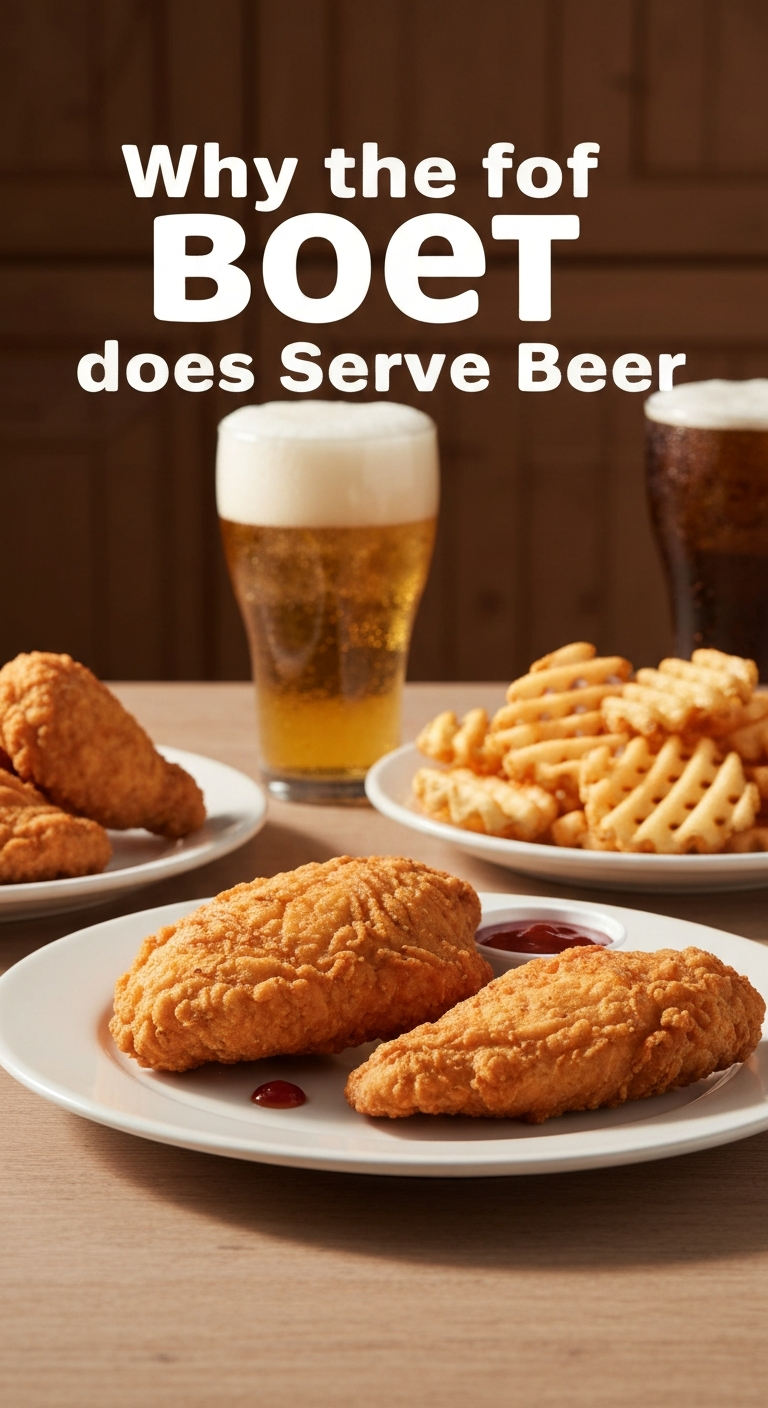
Chick-fil-A is widely recognized for its signature chicken sandwiches and polite service, but one thing you will never find on their menu is an alcoholic beverage. The decision to remain an alcohol-free establishment is not accidental; it is a deliberate choice rooted in the company’s history, core values, and specific business model. Understanding why Chick-fil-A does not serve beer requires looking at the intersection of corporate culture and operational strategy.
The Influence of S. Truett Cathy’s Religious Beliefs
The primary reason why Chick-fil-A does not serve beer stems from the religious convictions of its founder, S. Truett Cathy. As a devout Southern Baptist, Cathy built the company on biblical principles that influence every aspect of the business. These values are most famous for the "Closed on Sunday" policy, but they also extend to the types of beverages served. The brand prioritizes a lifestyle that aligns with traditional Christian ethics, which historically includes abstaining from the sale and promotion of alcohol in a fast-food setting.
Preserving a Family-Centric Environment
Chick-fil-A positions itself as a premier destination for families with young children. By excluding beer and wine, the chain ensures a specific type of dining atmosphere that is wholesome and predictable. The absence of alcohol helps maintain a safe environment that appeals directly to parents. Key factors include:
- Play Area Safety: Many locations feature indoor playgrounds where children interact; an alcohol-free zone minimizes liability and behavioral concerns.
- Brand Consistency: The "My Pleasure" culture focuses on a level of hospitality that could be compromised by the presence of intoxicated patrons.
- Community Focus: The restaurants frequently host "Spirit Nights" for local schools and youth groups, where serving alcohol would be culturally and logistically inappropriate.
Operational Efficiency and Licensing Hurdles
From a logistical standpoint, selling beer would complicate Chick-fil-A’s highly efficient service model. The chain is famous for its speed, particularly in the drive-thru which accounts for a massive portion of its revenue. Introducing alcohol would introduce several hurdles:
- Legal Compliance: Liquor licensing varies significantly by county and state, making a uniform national menu nearly impossible.
- Staffing Challenges: Much of the Chick-fil-A workforce consists of teenagers who are legally prohibited from serving or handling alcohol in many jurisdictions.
- Increased Liability: Serving alcohol requires additional insurance and specialized training for employees to identify fake IDs and manage over-consumption.
Focusing on Signature Non-Alcoholic Beverages
Rather than diversifying into adult beverages, Chick-fil-A has chosen to dominate the non-alcoholic market. Their investment goes into proprietary drinks like their Freshly-Squeezed Lemonade, Sunjoy® tea blends, and premium milkshakes. By mastering these family-friendly options, they maintain a streamlined inventory and a menu that remains accessible to customers of all ages at any time of the day, from breakfast through dinner.