Dinosaur BBQ Closes vs Chick-fil-A Growth: What's Happening?
 Sarah Mitchell
Apr 19, 2026
3 min read
83 views
Sarah Mitchell
Apr 19, 2026
3 min read
83 views
While Dinosaur Bar-B-
Dinosaur BBQ Closures vs Chick-fil-A Growth: What’s Really Going On?
If you’ve been following restaurant news lately, you might have noticed something interesting. On one side, Dinosaur Bar-B-Que has been closing some locations. On the other, Chick-fil-A keeps expanding into new cities and even new countries. It’s a sharp contrast—and it raises a simple question: why are these two well-known brands heading in opposite directions?
Let’s break it down in a way that actually makes sense.
📉 Why Dinosaur Bar-B-Que Is Struggling
Dinosaur Bar-B-Que built its reputation on authentic, Southern-style barbecue. It has a strong brand and loyal customers. But even with that, running a restaurant today is tougher than ever.
One of the biggest challenges is rising costs. Food prices have gone up, labor is more expensive, and maintaining large dine-in spaces adds to overhead. BBQ restaurants, in particular, often have higher preparation costs and longer cooking times, which can impact efficiency.
Location also plays a huge role. Not every restaurant location performs the same. Even a popular brand can struggle if it’s not in the right area or doesn’t get enough consistent foot traffic.
Then there’s competition. The food industry is more crowded than ever. New fast-casual brands, delivery-first kitchens, and changing customer preferences make it harder for traditional dine-in concepts to stay ahead.
📈 Why Chick-fil-A Keeps Growing
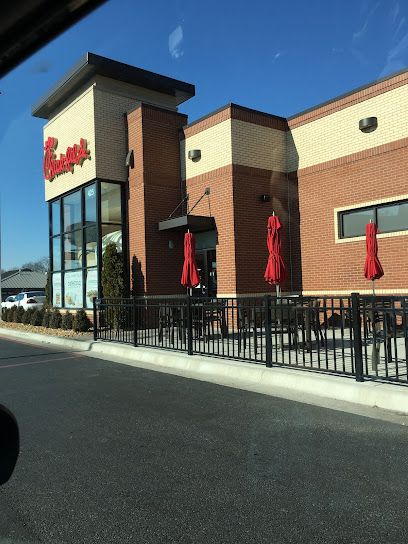
Now let’s look at Chick-fil-A. Despite being in the same industry, their approach is very different—and it shows in their results.
One of their biggest strengths is their franchise model. Chick-fil-A operators are highly selective and deeply involved in day-to-day operations. This creates a sense of ownership and consistency that’s hard to replicate.
Another key factor is customer experience. Chick-fil-A is known for fast service, polite staff, and reliable quality. People don’t just go there for food—they go for the experience.
They’re also extremely smart about location strategy. Before opening a new outlet, they carefully analyze traffic, demand, and long-term potential. This reduces the risk of underperforming stores.
And while their menu isn’t huge, it’s focused and refined. They stick to what works but still introduce new items when needed, keeping things fresh without losing identity.
⚖️ Two Different Business Models
The difference between these two brands really comes down to strategy.
Dinosaur Bar-B-Que focuses on a niche—authentic barbecue with a dine-in experience. That can work well, but it’s more sensitive to cost pressures and changing customer habits.
Chick-fil-A, on the other hand, has built a system that’s efficient, scalable, and consistent. Even their decision to stay closed on Sundays reflects a long-term mindset, balancing business with employee well-being.
💡 What We Can Learn
This comparison isn’t about one brand being “better” than the other. It’s about understanding how different approaches lead to different outcomes.
In today’s market, success often depends on:
- Adapting to rising costs
- Choosing the right locations
- Delivering consistent customer experience
- Building a strong operational system
Chick-fil-A’s growth shows what happens when all these pieces come together. Meanwhile, Dinosaur Bar-B-Que’s challenges highlight how tough the industry can be—even for established names.
🔚 Final Thought
The restaurant world is constantly evolving. What works today might not work tomorrow. But one thing is clear—brands that adapt, stay efficient, and focus on customers are the ones most likely to grow.
And right now, Chick-fil-A is doing exactly that.