Bipartisan Hot Rotisserie Chicken Act Chick-fil-A impact
 Sarah Mitchell
Apr 23, 2026
3 min read
67 views
Sarah Mitchell
Apr 23, 2026
3 min read
67 views
The Bipartisan Hot Rotisserie
Bipartisan Hot Rotisserie Chicken Act Chick-fil-A impact
The Bipartisan Hot Rotisserie Chicken Act Chick-fil-A Impact: A New Era for Fast Food Accessibility
The legislative landscape surrounding the Bipartisan Hot Rotisserie Chicken Act represents a significant pivot in how federal assistance programs interact with the quick-service restaurant industry. By seeking to amend the restrictions on the Supplemental Nutrition Assistance Program (SNAP), this act aims to allow beneficiaries to purchase hot, prepared meals—a category that has traditionally been off-limits for EBT cardholders. For a brand as prominent as Chick-fil-A, the implications of this policy shift are both operational and economic.
Expanding Food Security Through Prepared Poultry
The primary Bipartisan Hot Rotisserie Chicken Act Chick-fil-A impact lies in the democratization of hot, high-protein meals. Currently, SNAP recipients are often limited to cold grocery items, which can be a barrier for those without reliable kitchen access or the time to cook. If Chick-fil-A locations are authorized to accept benefits for hot menu items, it would provide millions of families with access to freshly prepared chicken, potentially increasing the brand's foot traffic in urban and underserved areas.
Operational Adjustments for Chick-fil-A Operators
For local franchise owners, the transition to accepting SNAP for hot meals would require specific technical and administrative updates. Because Chick-fil-A focuses heavily on speed and accuracy, the integration of new payment protocols must be seamless. Key operational changes might include:
- POS System Reconfiguration: Updating software to recognize and process EBT transactions specifically for eligible hot food items while excluding non-eligible merchandise.
- Regulatory Compliance: Ensuring each individual location meets the USDA requirements for "Restaurant Meals Program" (RMP) participation, which often varies by state and county.
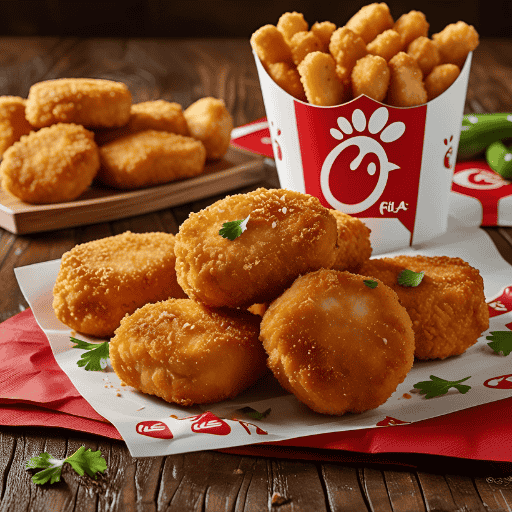
- Supply Chain Scaling: Anticipating a higher volume of sales for staple items like the Original Chicken Sandwich and Grilled Nuggets as accessibility increases.
Economic Implications for the Quick-Service Sector
The Bipartisan Hot Rotisserie Chicken Act Chick-fil-A impact extends to the broader economy of the poultry industry. By allowing government benefits to be spent on hot prepared chicken, the federal government effectively acknowledges the modern reality that "ready-to-eat" is a necessity for many working households. For Chick-fil-A, this could lead to a more diversified revenue stream and a strengthened presence in community-based nutrition initiatives.
Standardizing Hot Food Access
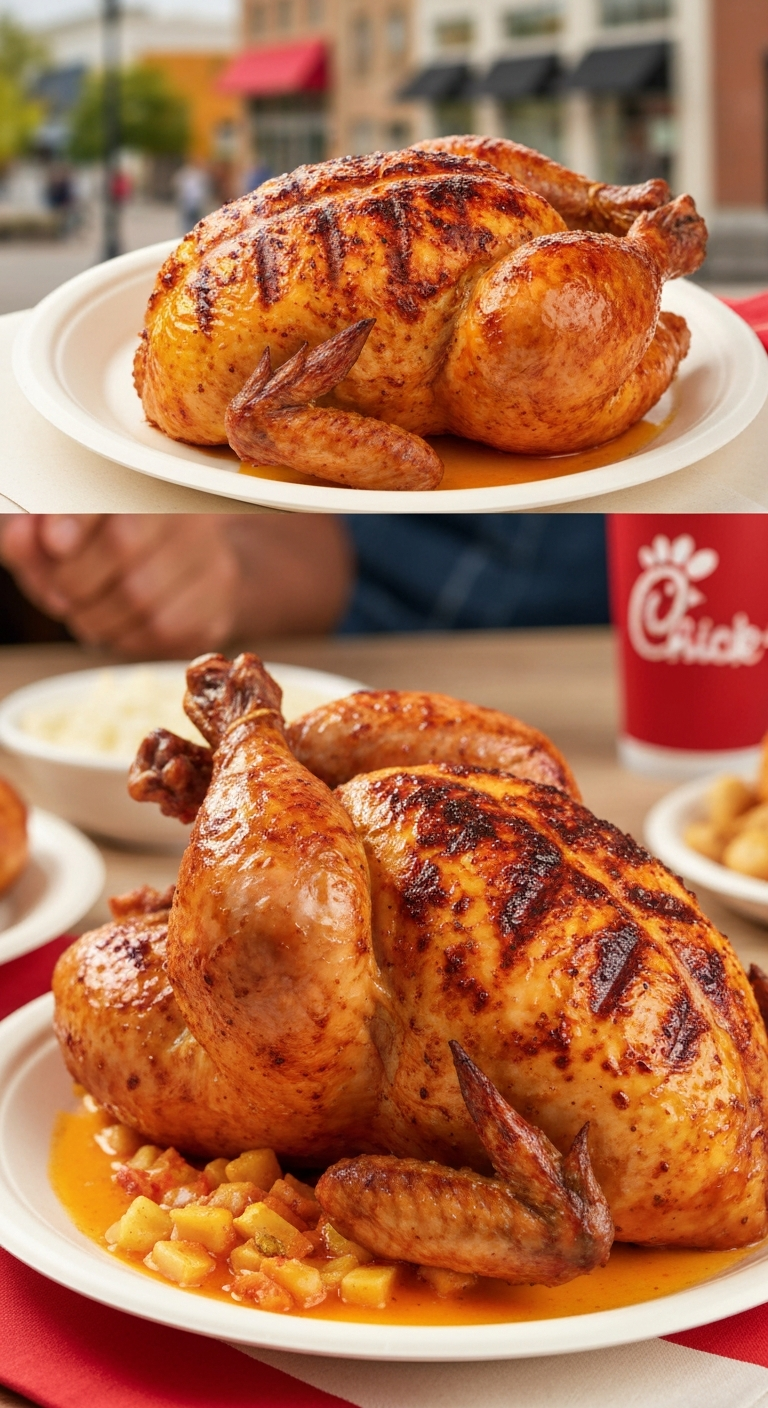
While the act is colloquially named after rotisserie chicken, its reach covers the entire spectrum of hot, prepared proteins. Chick-fil-A’s commitment to using 100% real whole breast meat positions them as a high-quality option for those utilizing government assistance. This legislation would bridge the gap between grocery store convenience and restaurant quality, ensuring that nutritional assistance keeps pace with the fast-paced lifestyle of contemporary American families.