

Chick-fil-A Franchise – History, First Restaurant & Growth Story
Hello food lovers, welcome back to my blog where I share interesting stories and hidden facts about America’s favorite food brands. Today, I’m diving into the fascinating journey of the Chick-fil-A franchise — from its very first restaurant in Atlanta, Georgia, to becoming one of the most admired fast-food chains in the United States. If you’ve ever wondered when Chick-fil-A started, how it grew, and what makes its franchise model so unique, you’re in the right place.
When Did the First Chick-fil-A Open?
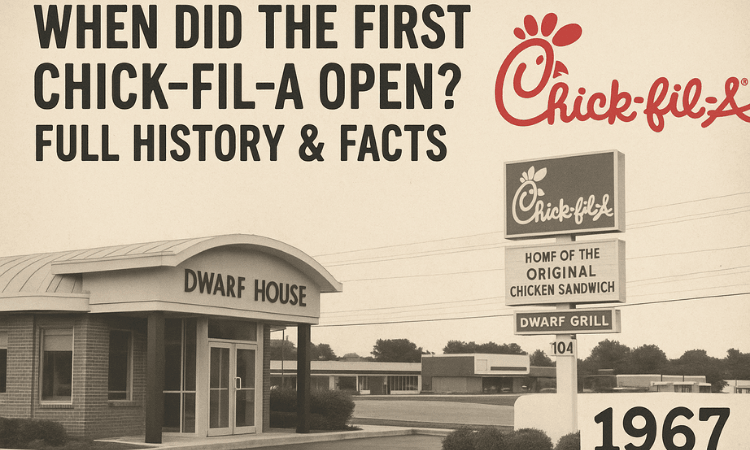
The first Chick-fil-A opened in 1967 at Greenbriar Mall in Atlanta, Georgia, USA. This was the beginning of what would later become a powerful franchise network known for quality chicken sandwiches and exceptional service.
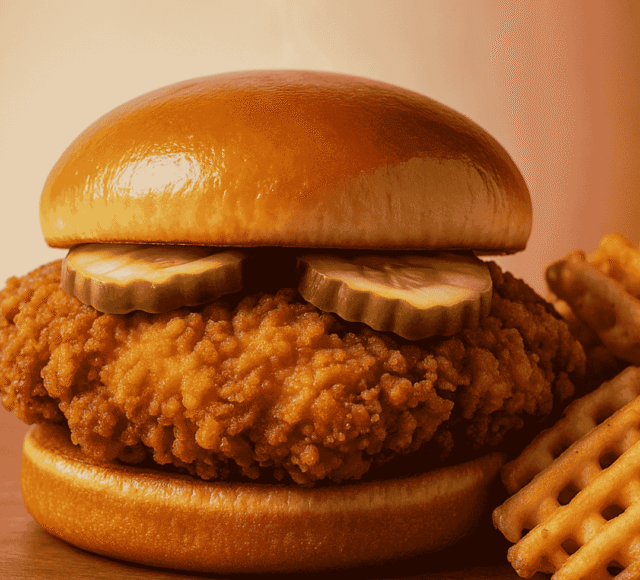
But the story actually begins earlier. Founder S. Truett Cathy had been running a small diner called the Dwarf Grill (later renamed the Dwarf House) in Hapeville, Georgia since 1946. It was here that Cathy perfected the recipe for the Original Chicken Sandwich, a simple but flavorful creation made with a seasoned, pressure-cooked chicken breast served on a buttered bun with pickles. This sandwich became the foundation of the entire Chick-fil-A franchise.
The Vision Behind the Chick-fil-A Franchise
From day one, Cathy’s goal was not just to sell food but to create a brand built on values. His vision for the franchise included:
- High-quality meals prepared fresh daily
- Exceptional customer service with a personal touch
- Clean and welcoming restaurants for families
- Strong community connections through giving and support
- Closing on Sundays, allowing employees a day of rest and worship
This unique philosophy became a hallmark of the Chick-fil-A franchise model and set it apart from other fast-food brands.
Chick-fil-A Franchise Expansion Timeline
- 1946 – Truett Cathy opens the Dwarf Grill in Hapeville, Georgia
- 1964 – Creation of the Original Chicken Sandwich
- 1967 – First Chick-fil-A opens at Greenbriar Mall in Atlanta
- 1970s–1980s – Expansion into shopping malls across the U.S.
- 1986 – First standalone Chick-fil-A restaurant opens
- 1990s–2000s – Rapid nationwide growth with community-focused marketing
- Today – Over 3,000 Chick-fil-A locations across the United States
This timeline shows how Chick-fil-A grew from one small location into a franchise powerhouse.
What Makes the Chick-fil-A Franchise Unique?
Unlike many other fast-food giants, Chick-fil-A has a very selective and distinctive franchise model. Here are some of the unique elements:
- Low Initial Franchise Cost – Compared to McDonald’s or KFC, opening a Chick-fil-A requires a much lower upfront investment. The franchise fee is around $10,000, though Chick-fil-A retains ownership of the property and equipment.
- Highly Selective Process – While the cost is low, the selection process is tough. Chick-fil-A receives tens of thousands of franchise applications each year but approves only a small fraction.
- Hands-On Operators – Franchisees are called “Operators” and are expected to be highly involved in daily restaurant operations, unlike other chains where investors can remain passive.
- Strong Support System – Chick-fil-A provides training, marketing, and operational support, ensuring consistency across all restaurants.
- Closed on Sundays – True to Cathy’s vision, every Chick-fil-A restaurant remains closed on Sundays, a rare practice in the fast-food industry.
Chick-fil-A Franchise Costs and Requirements
While the franchise fee is relatively low, Chick-fil-A’s model is not for everyone. Here’s what potential franchisees should know:
- Franchise Fee: $10,000 (one of the lowest in the fast-food industry).
- Net Worth Requirement: Chick-fil-A does not require a set net worth or liquid capital, but they seek franchisees with strong leadership and management skills.
- Ongoing Royalties: Instead of traditional royalties, Chick-fil-A shares profits with operators, meaning earnings depend heavily on sales performance.
- Operator Involvement: Chick-fil-A expects operators to run the restaurant themselves rather than hiring managers to do it.
This strict but supportive system has helped the franchise maintain a reputation for quality and consistency.
How the Franchise Grew Nationwide
After the first location at Greenbriar Mall, Chick-fil-A quickly expanded into other shopping malls across the country in the 1970s and 1980s. By 1986, the brand opened its first standalone restaurant, marking a major shift in growth.
Through smart expansion and a focus on community engagement, Chick-fil-A built a loyal fan base. Unlike many competitors, the brand spent less on traditional advertising and more on word-of-mouth marketing, local events, and sponsorships.
Today, Chick-fil-A operates over 3,000 restaurants in the U.S., with expansion beginning internationally in places like Canada and the United Kingdom.
Why People Choose the Chick-fil-A Franchise
For aspiring entrepreneurs, the Chick-fil-A franchise appeals because:
- It’s one of the most profitable fast-food chains in America.
- The company provides extensive training and support.
- The franchise is backed by strong customer loyalty.
- Operators become part of a community-focused brand with values that resonate.
Quick Facts About Chick-fil-A Franchise
- Founded by S. Truett Cathy in 1967
- First location at Greenbriar Mall, Atlanta, Georgia
- Famous for the Original Chicken Sandwich
- Closed on Sundays since the beginning
- Over 3,000 locations across the U.S.
- Franchise fee of $10,000
- Highly competitive application process
Final Thoughts
The Chick-fil-A franchise story is more than just fast food — it’s about values, vision, and commitment to excellence. From its humble beginnings at Greenbriar Mall in 1967 to thousands of restaurants today, Chick-fil-A has grown into one of the most admired franchises in the world.
If you’re also interested in exploring other iconic fast-food chains, check out McDonald Near Me for menus, locations, and restaurant details across the USA.
For those dreaming of owning a Chick-fil-A franchise, the path is selective and competitive, but the rewards can be extraordinary. Whether you’re a fan of their chicken sandwich, waffle fries, or just the brand’s dedication to service, one thing is clear: Chick-fil-A isn’t just a restaurant, it’s a legacy.








Leave a comment